6 Sep 2026
The Hidden Mechanics of Regulatory Shifts in European Athletic Wagering Markets
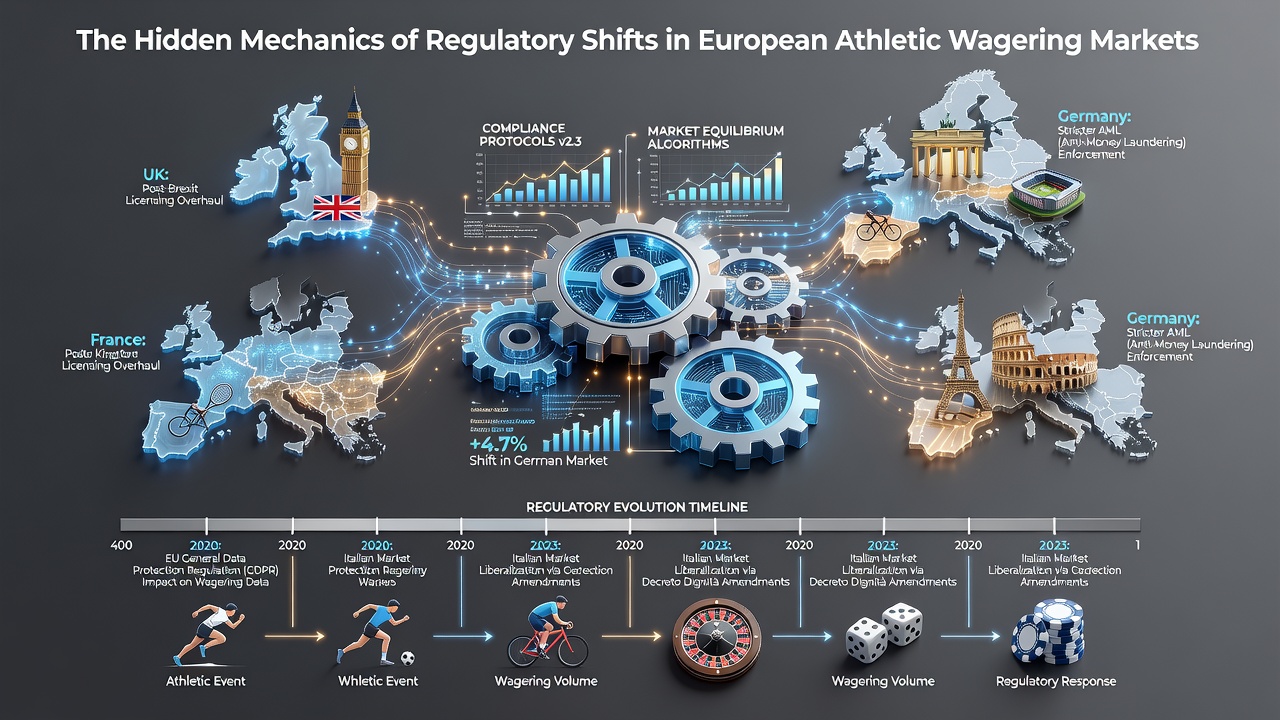
European athletic wagering markets operate under layers of directives and national rules that shift periodically, and observers note how these changes often trace back to directives on anti-money laundering, consumer protection, and digital services rather than isolated gambling policy alone. Data from the European Commission shows that updates to the Anti-Money Laundering Directive have required operators to integrate real-time transaction monitoring systems across multiple member states since the 2018 revisions took hold, while subsequent national implementations have added further technical requirements for customer verification.
Cross-Border Licensing Structures
Countries within the European Economic Area maintain distinct licensing regimes even as they align with broader EU frameworks, and researchers at institutions such as the University of Leiden have documented how these regimes create layered compliance obligations for operators serving users across borders. Germany’s Interstate Treaty on Gambling, for instance, established a central licensing authority that demands separate approvals for sports betting products compared with other forms of wagering, whereas the Netherlands consolidated its system under a single remote gambling license that opened applications in 2021 and continues to refine technical standards around responsible gaming tools.
Observers note that September 2026 marks the scheduled review point for several harmonization measures tied to the Digital Services Act, at which stage member states must report on how national wagering platforms meet transparency obligations for algorithmic recommendation systems used in betting promotions. This timeline intersects with ongoing work at the European Commission on updating consumer protection guidelines that affect how operators present odds and bonuses.
Data Protection and Transaction Monitoring
Regulatory mechanics around data flows have gained prominence since the General Data Protection Regulation came into full effect, and industry reports indicate that wagering firms must now segregate betting data from marketing databases in ways that affect targeted advertising across the single market. French authorities under the Autorité Nationale des Jeux have implemented additional reporting protocols that require daily submissions of player activity logs to detect patterns consistent with match-fixing, while Italian regulators have expanded similar data-sharing agreements with sports federations.
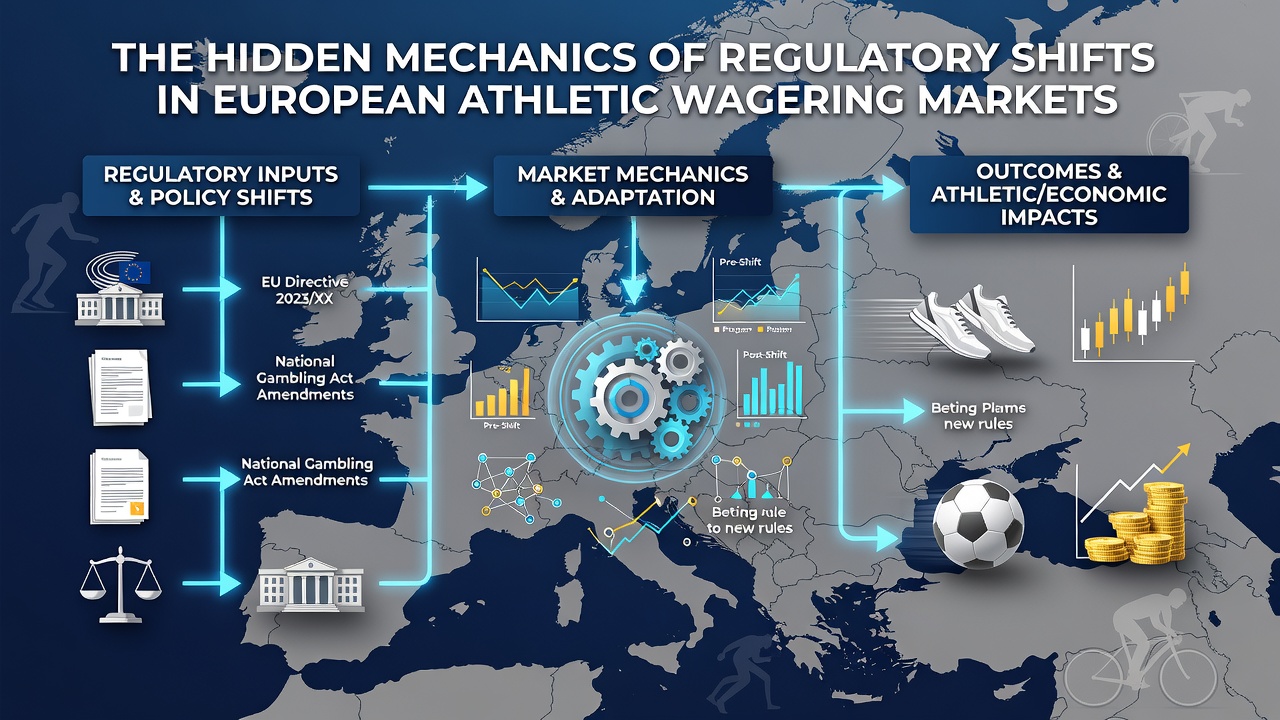
Those who study enforcement actions point out that fines issued for non-compliance frequently stem from failures in cross-border data transfer safeguards rather than outright licensing violations, and figures from the European Data Protection Board reveal that several wagering companies received administrative orders in 2024 and 2025 for inadequate documentation of international data processing agreements.
Taxation Mechanisms and Market Access
Tax structures embedded in national licensing laws create additional operational constraints that are not always visible in headline regulatory announcements, and analysts at the OECD have tracked how point-of-consumption tax models in Belgium and Spain require operators to allocate revenue streams according to user location rather than company headquarters. These models interact with value-added tax rules that differ by product type, leading some platforms to restructure their offerings around lower-tax categories such as pool betting instead of fixed-odds markets.
One study released by the European Gaming and Betting Association examined how these tax and licensing combinations influence market concentration, revealing that smaller operators often exit jurisdictions when compliance costs exceed projected returns within the first two years of operation. The same report noted that larger entities absorb these costs by spreading infrastructure investments across multiple licenses, which in turn shapes the range of betting products available to consumers in each country.
Enforcement Patterns and Technical Standards
Enforcement has increasingly relied on automated reporting tools that connect operator systems directly to regulatory databases, and authorities in Malta and Sweden have adopted standardized APIs that allow real-time verification of player age and deposit limits. These technical interfaces reduce the window for manual adjustments that previously allowed operators to delay compliance updates, and data collected through such systems has informed subsequent policy adjustments at the national level.
Yet the underlying mechanics remain fragmented because each member state retains the right to set its own technical certification requirements for gaming software, and certification bodies accredited in one jurisdiction do not automatically receive recognition elsewhere. This situation leads operators to maintain parallel compliance teams that track divergent deadlines for software audits and security assessments.
Conclusion
Regulatory shifts in European athletic wagering markets continue to evolve through the interaction of EU-level directives, national licensing conditions, and technical enforcement mechanisms that operate largely behind the scenes. Information released by regulatory bodies and research organizations shows that operators must navigate overlapping requirements on data handling, taxation, and market access that change at different intervals across the region. As the September 2026 review approaches, further adjustments to transparency and consumer protection standards are expected to influence how platforms structure their services and reporting processes.